
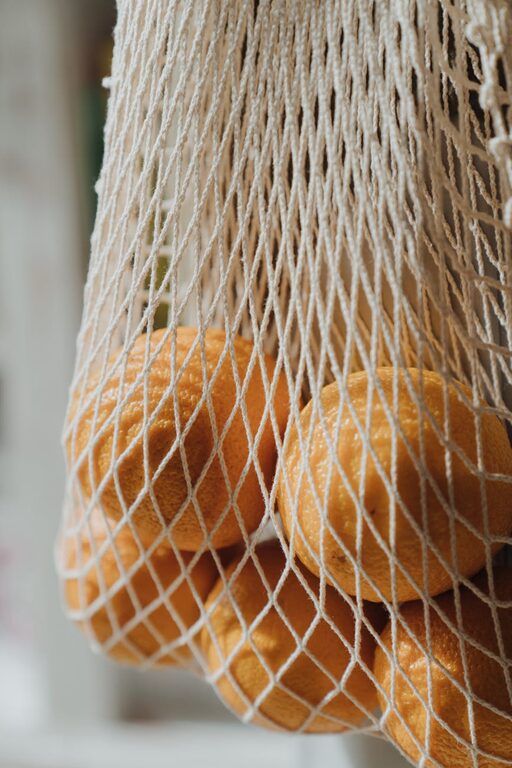
Reducing food waste at home is not only good for the environment but also for your wallet. Every year, tons of food end up in landfills, contributing to greenhouse gas emissions. By making small changes in how we shop, store, and use food, we can make a big difference. This post offers simple, actionable ways to cut down on food waste right from your own kitchen.
Why Reducing Food Waste Matters
Food waste has significant economic and environmental costs. When food is thrown away, all the resources that went into producing, transporting, and storing it get wasted too. This includes water, energy, and time. On a personal level, wasting food means wasting money spent on groceries.
By adopting mindful habits, you can help reduce the global impact of food waste and stretch your grocery budget further.
Plan Your Meals in Advance
One of the best ways to avoid food waste is by planning what you’ll eat. Taking some time each week to decide on meals and create a shopping list will help you buy only what you need.
– Make a weekly menu: Write down breakfast, lunch, and dinner ideas.
– Check your pantry and fridge first: Use what you already have before buying more.
– Shop with a list: Stick to your list to avoid impulse purchases.
Meal planning reduces the chances of food sitting unused and going bad.
Shop Smart and Mindfully
When grocery shopping, consider these tips to minimize waste:
– Buy loose fruits and vegetables: This way, you can pick exactly how much you need.
– Avoid overbuying: Resist bulk deals if you won’t consume all the items before they spoil.
– Choose versatile ingredients: Pick foods that can be used in various dishes.
Smart shopping helps control portions and prevents excess food from spoiling.
Proper Food Storage is Key
How you store your food can greatly impact its shelf life. Follow these guidelines to keep food fresh longer:
– Understand your fridge zones: Store delicate items like berries in the upper shelves and raw meat on the bottom.
– Use airtight containers: They help maintain moisture levels and prevent spoilage.
– Keep herbs fresh: Treat herbs like flowers—trim the stems and place them in water.
– Separate fruits and vegetables: Some fruits emit gases that can make veggies spoil faster.
Investing a little time in proper storage saves food from going bad prematurely.
Embrace Leftovers Creatively
Leftovers don’t have to mean repetitive meals. Get inspired with these ideas:
– Reinvent meals: Turn yesterday’s roast veggies into a hearty soup or frittata.
– Mix and match: Combine leftover grains, veggies, and proteins for salads or wraps.
– Freeze extras: Portion leftovers and freeze for future meals.
By treating leftovers as ingredients rather than repeats, you can enjoy delicious meals and reduce waste.
Monitor Expiration Dates, But Don’t Rely Solely on Them
Expiration or “best by” dates can be confusing. Many foods are still safe after these dates if stored correctly.
– Use your senses: Look, smell, and taste small amounts to judge freshness.
– Understand date labels: “Best before” is about quality; “use by” is about safety.
– Practice FIFO: First In, First Out — use older products before newer ones.
Being mindful about dates reduces unnecessary tossing of still-good food.
Compost Food Scraps
Even with careful planning, some food scraps are inevitable. Composting is an excellent way to divert organic waste from the landfill.
– Start a compost bin: Use vegetable peels, coffee grounds, eggshells, and more.
– Keep it balanced: Mix green (nitrogen-rich) and brown (carbon-rich) materials.
– Use the compost: Enrich your garden soil with nutrient-rich compost.
Composting closes the loop by recycling food waste into something beneficial.
Educate Your Household
Reducing food waste works best when everyone involved understands its importance. Share tips and create household routines such as:
– Checking fridge contents regularly.
– Sharing meal plans.
– Encouraging finishing portions or saving leftovers.
Teamwork ensures sustainable habits take root in your home.
Final Thoughts
Reducing food waste need not be complicated or time-consuming. By planning meals, shopping thoughtfully, storing food carefully, and embracing leftovers, you can make a meaningful impact. These simple lifestyle changes not only conserve resources but also help you save money and enjoy food in creative ways.
Start small and build up your habits—you’ll be surprised at how much food you can save from going to waste!