
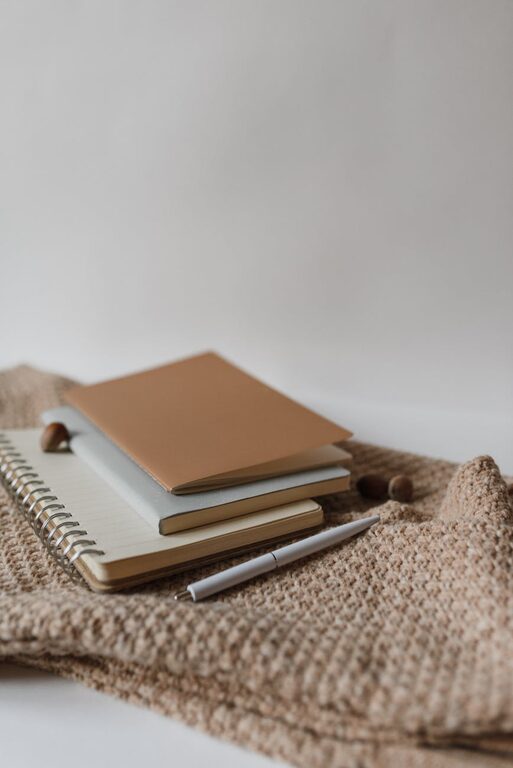
When it comes to choosing a notebook, many of us have faced the challenge of picking one that ends up sitting unused. Whether you want to jot down ideas, keep a journal, or organize your day, the right notebook can make all the difference. But with so many options available, how do you find one you’ll actually use regularly?
In this post, we’ll explore simple, practical ways to choose a notebook that fits your lifestyle and motivates you to write.
Understand Your Purpose
Before buying a notebook, consider what you’ll primarily use it for. Different purposes call for different features:
– Journaling or personal writing: You might want a durable, attractive cover and quality paper for a comfortable writing experience.
– Note-taking for work or school: Spiral or wire-bound notebooks with lined pages allow for easy tear-out and organization.
– Sketching or creative ideas: Blank or dotted pages and thicker paper can prevent ink bleed-through and provide flexibility.
– Daily planning: A planner-style notebook with pre-made calendars, to-do lists, and sections for goals may help keep you on track.
Once you identify your main need, it becomes easier to narrow down your choices.
Consider Size and Portability
Notebooks come in various sizes, each with pros and cons. Think about where and how you’ll use it most:
– Pocket-sized (A6 or smaller): Great for portability and quick notes on the go but might feel cramped for longer writing sessions.
– Medium-sized (A5): A popular choice that balances space with portability, ideal for most everyday uses.
– Large (A4 or letter size): Best for detailed work, school notes, or sketching but less convenient to carry around.
If you plan to carry your notebook daily, pick a size that fits easily in your bag or backpack.
Choose the Right Paper Type
Paper quality affects your writing experience more than you might expect. Here are a few elements to consider:
– Paper weight: Measured in GSM (grams per square meter), heavier paper (80-100 GSM or higher) is sturdier and less prone to bleed-through, which is especially important if you use fountain pens or markers.
– Ruled, blank, dotted, or grid: Lined pages suit general note-taking, blank is great for sketches, dots provide flexible structure, and grids are ideal for graphs or precise drawing.
– Paper color: Most notebooks have white or cream pages; cream is softer on the eyes, while white can feel brighter and cleaner.
Make sure to test the paper with your preferred pens before committing.
Binding Matters
The way your notebook is bound affects durability and usability:
– Spiral or wire-bound notebooks lay flat easily and allow you to fold the cover back, making writing more comfortable.
– Perfect-bound (like a paperback book) notebooks often look sleek and professional but might not open flat easily.
– Sewn binding is durable and allows notebooks to open fully without damaging the spine.
Choose a binding style that suits how you like to write and carry your notebook.
Cover Design and Material
Since the cover is the first thing you see, pick one that appeals to you:
– Hardcover notebooks offer protection and are more durable, great if you plan to carry it everywhere.
– Softcover notebooks tend to be lighter and more flexible but may wear down faster.
– Materials range from leather or faux leather to fabric or cardboard. Consider your style and how the material feels in your hands.
A cover that you enjoy looking at and touching can inspire you to write more often.
Additional Features to Look For
Some notebooks offer extras that might be useful depending on your needs:
– Pocket folders inside to keep loose papers and receipts.
– Bookmarks or elastic closures to keep your place and secure the pages.
– Numbered pages and indexes for easy navigation.
– Perforated pages for clean tear-outs.
– Pre-printed layouts, such as calendars or habit trackers, for organizing your time and goals.
Decide which add-ons will enhance your notebook experience without adding clutter.
Price and Sustainability
Notebooks come in a wide price range. While higher-priced options often offer better quality, you don’t always need to spend a lot to find a good fit.
Also, consider eco-friendly choices. Many brands offer notebooks made from recycled materials or responsibly sourced paper. This option helps reduce environmental impact, which can be a nice bonus.
Try Before You Buy
If possible, visit a local stationery store to see and feel different notebooks. Testing a pen on the paper can help you discover whether the pages suit your writing tools. If shopping online, read reviews and look for detailed photos.
Tips to Make the Most of Your Notebook
Choosing the right notebook is part of the equation; the other is how you use it. Here are a few tips to keep your notebook active:
– Set clear goals: Decide what you want to achieve with your notebook.
– Daily habit: Dedicate a few minutes each day to write or plan.
– Keep it accessible: Store your notebook where you’ll remember to use it.
– Personalize it: Color-code, use stickers, or add doodles to make the notebook inviting.
– Don’t stress: Your notebook is a tool, not a test—allow mistakes and edits.
Conclusion
Choosing a notebook you’ll actually use comes down to aligning its features with your habits, needs, and preferences. By considering factors like purpose, size, paper type, binding, and cover, you can find a notebook that feels just right. Once you have the perfect notebook in hand, maintaining a daily writing or planning habit will make all the difference in keeping you organized and inspired.
Happy writing!